



Sleeper Sofa Mattress Guide: Types, Thickness, and Comfort
TABLE OF CONTENTS

A sleeper sofa is a great way to save space, but that convenience can quickly wear thin when the mattress leaves you tossing and turning all night. What feels perfectly fine for an afternoon nap might become a different story when you're trying to get a full night's sleep. More often than not, the mattress is the deciding factor. Its thickness, material, and level of support can make a noticeable difference in how well you sleep.
Nowadays, sleeper sofas come with different mattresses, including contouring memory foam, bouncy innerspring designs, and responsive latex; you can choose any by weighing the pros and cons. But the trick is finding one that fits your sofa bed and gets your comfortable good night sleep.
This guide will brief you on mattress types and help you choose the right thickness and find simple ways to make your sleeper sofa more comfortable.
How Thick Should a Sleeper Sofa Mattress Be?

Know that the mattress thickness isn't just about comfort, but this factor also determines if the mattress will fold properly, fit inside the sofa frame, and work with the bed mechanism. When compared to a regular bed, a pull-out sofa bed has limited space between its support platform and the folded frame, so you can't simply pick any mattress off the shelf.
Many traditional pull-out sofa beds use relatively thin mattresses, often around 3 to 4 inches thick, but some newer sleeper systems accommodate thicker options.
Why won't a standard 10-inch mattress fit?
A standard 10-inch mattress is often too thick for a traditional pull-out sofa bed.
Because the folding mechanism needs enough room to close and fit back inside the sofa, when a thick bed folds, it can bunch up and prevent the frame from folding completely.

3 main things to check to avoid this:
Folding mechanism: The mattress must bend with the bed frame without excessive resistance or bunching.
Frame clearance and storage space: When folded, the mattress must fit inside the sofa without pushing against the frame, seat cushions, or surrounding components.
Manufacturer's mattress requirements: Check the maximum permitted thickness, mattress dimensions, and any weight restrictions. A 10-inch mattress may work with a sleeper system specifically designed for it. But you shouldn't assume that it would fit a conventional pull-out sofa bed.
Are 4- to 6-inch sleeper sofa mattresses comfortable?
A 4-to-6-inch sleeper sofa mattress can be comfortable, but thickness alone doesn't tell you how well you'll sleep. The mattress's internal construction, foam density, firmness, and the support beneath it all play a part.
For example, the American Leather Comfort Sleeper Alora Sleeper Sofa uses a 5-inch high-density, high-resiliency foam mattress. This shows that a relatively thin mattress can be designed for a dedicated sleeper system rather than simply serving as a basic guest-bed option.
Here's what to look at when comparing thinner sofa bed mattresses:
1. Foam density: High-density foam holds up better to regular use than low-density foam, although quality varies by foam type. Keep in mind that density and firmness are different, and the foam density doesn't necessarily have to be harder or more comfortable.
2. Mattress construction: The type and arrangement of foam layers affect how a mattress feels and supports your body. A well-made mattress can provide better cushioning and support than a poorly made one of the same thickness.
3. Support underneath the mattress: Even a good mattress can feel uncomfortable if the bed platform, springs, or support bars underneath are uneven, damaged, or worn out. Check the entire sleeping surface for dips or hard spots.
4. How often will you use it? If you only use the sleeper sofa for occasional guests, a thinner mattress may be perfectly comfortable. For everyday sleeping, look more closely at cushioning, support, and durability. A 4-to-6-inch mattress can still work for nightly use if it's well-designed and suits your needs. Plus, you can also add extra blankets or duvets to make the mattress comfortable.
Innerspring vs. Memory Foam vs. Latex Sleeper Mattresses
Not all sleeper sofa mattresses feel the same, and the material inside can make a world of difference when it's time to turn in for the night.
Innerspring sleeper mattresses are best for bounce and airflow
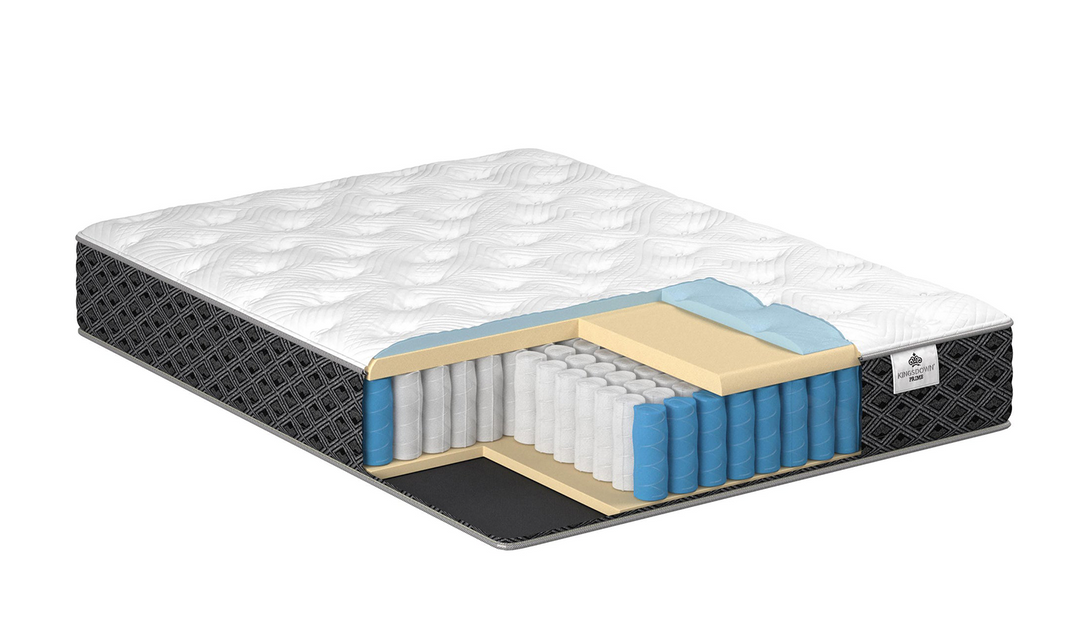
If you prefer a mattress with a little bounce? An innerspring sleeper mattress is the best. Why? Because this mattress uses metal coils to provide support and gives the mattress a more traditional feel than most foam options.

The open spaces between the coils can also allow more airflow through the mattress, although the cover and other materials affect how cool it sleeps.
The con of Innerspring mattresses
Innerspring mattresses aren't always the most forgiving when it comes to pressure points. Based on the coil design and padding, you might feel more pressure around your shoulders and hips. Plus, you may notice it when your partner shifts positions during the night.
Memory foam sleeper mattresses help with contouring and pressure relief.
Memory foam takes a different approach to comfort. Instead of relying on coils, it responds to your body's heat and pressure and lets you contour around your shape as you lie down.
This close fit can help cushion pressure points, particularly around the shoulders, hips, and lower back.

The memory foam con you should watch out for
Heat retention is the villain here. Traditional memory foam can trap body heat, which may feel uncomfortable if you tend to sleep hot. Some designs use cooling materials or different foam structures to help manage heat, but results vary.
Firmness also matters: a softer mattress may feel plush and cozy, while a firmer one can offer a more stable feel.
If you prefer a mattress that gently cradles your body rather than pushing back with a springy feel, memory foam is worth considering.
Latex sleeper mattresses offer responsiveness and support.
Looking for something that feels cushioned without making you feel stuck? Latex mattresses offer a nice middle ground. They tend to have a buoyant, responsive feel, meaning the surface adjusts to your body while making it easier to change sleeping positions.
Latex can also provide pressure relief, depending on its firmness and construction.
Another plus is that latex generally responds more quickly to movement than traditional memory foam.
A couple of trade-offs to consider.
Latex can be heavier than many foam alternatives, which may matter when you're dealing with a folding sofa bed. It can also cost more, particularly when made with natural latex. Most importantly, not every sleeper sofa mechanism is designed to accommodate a latex mattress. To put it straight, a latex mattress for a sleeper sofa is rare.
How To Choose The Best Sleeper Sofa Mattress for Your Needs
So, what's the best mattress for a sleeper sofa? There's no one-size-fits-all answer. The right sleeper sofa mattress depends on your comfort preferences, how often you will sleep on it, and what your sofa bed can accommodate.
-
For a traditional, springy feel: An innerspring mattress may suit you if you like a responsive surface with a little bounce.
-
For a body-hugging feel: Memory foam is worth a look if you prefer contouring comfort and cushioning around pressure points.
-
For a buoyant, responsive feel: Latex may appeal to you if you want cushioning without as much of that slow-sinking sensation associated with traditional memory foam.
Your sleeping habits matter just as much as the material. A sofa bed used occasionally for overnight guests may not need the same level of cushioning as one used every night. If you're shopping for everyday sleeping, pay closer attention to support, mattress construction, and how comfortable the surface feels after several hours.
How to Make Your Sleeper Sofa Mattress More Comfortable?
An uncomfortable sleeper sofa mattress doesn't always mean it's time to buy a new one. Sometimes, a few simple adjustments can make all the difference. So, you can add a little extra cushioning. Beyond checking the support underneath, there are several ways to make your sofa bed more inviting without spending a fortune.
Here are a few practical fixes worth trying before you consider a replacement.

Conclusion
A good night's sleep on a sleeper sofa isn't out of reach. The trick is finding the right balance between factors such as mattress thickness, material, and support. You can always choose between innerspring, memory foam and latex mattress, though latex isn't a widely available option.
And if your current sofa bed feels a little worse for wear, don't rush to replace the whole thing just yet. A compatible mattress topper, a breathable mattress pad, or a quick check of the support system might be all it takes to improve comfort. If the mattress is sagging or has lost its support, though, a suitable replacement may be the better option. At Jennifer Furniture, we have handpicked and listed sleeper sofas with thick mattresses from top brands. Make sure you check them out.