


How to Choose the Perfect Accent Chair for Your Living Room?
TABLE OF CONTENTS
- Steps To Choose The Right Accent Chair For Your Living Room
- Consider Your Living Room Size And Layout
- Choose The Right Accent Chair Style
- Pick The Best Upholstery Material
- Focus On Comfort And Functionality
- Functional Features That Add Value
- Best Places To Position An Accent Chair In Your Living Room
- Common Mistakes To Avoid When Buying An Accent Chair
- Conclusion
- FAQs

An accent chair isn't just furniture that fills an empty spot. The right accent chairs for living room settings can tie the whole room together and make it feel finished rather than pieced together.
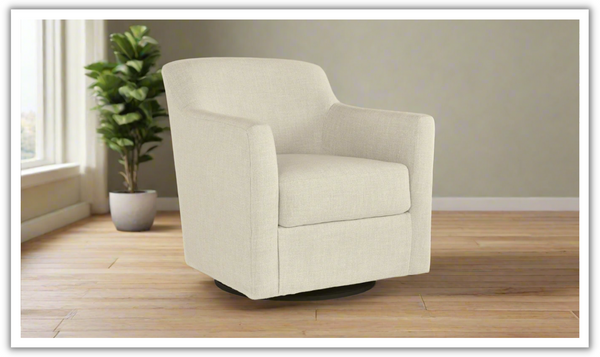
Beyond looks, it's about how the room works. For instance, swivel accent chairs add flexibility, letting you turn towards anything you want. Faux leather accent chairs add a luxurious look, yet are soft and comfy. And of course, style shouldn't come at the cost of comfort. Comfortable accent chairs invite you to actually relax. After all, a living room should look good, but more importantly, it should feel good to live in.
So, you can't just pick the pretty accent chair for your space; you should consider nuances to make the best out of this beautiful furniture type. We will teach you how.

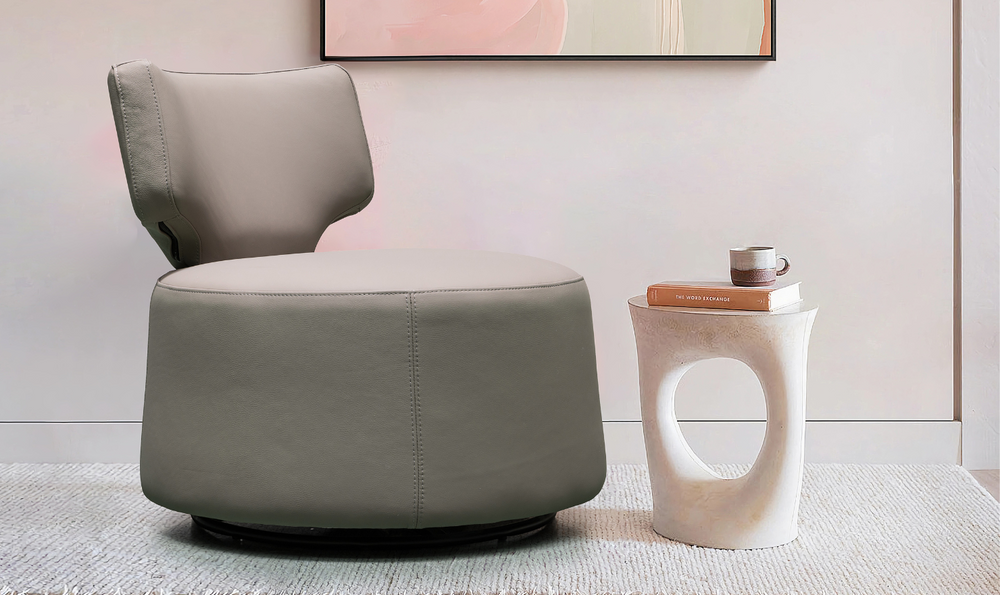
Klaussner Vento Leather Accent Chair
View Product
Bernhardt Candace Tufted Back Foam Filled Swivel Chair
View ProductSteps To Choose The Right Accent Chair For Your Living Room
Even if you are a first time buyer, don’t worry, this guide will help you understand what you need to look for in the accent chair.
1. Consider Your Living Room Size And Layout

Assess The Available Space
Before choosing a chair, look at how much room you actually have to work with. Check the walkways, door clearance, and distance from the sofa; all matter. In smaller rooms, streamlined living room accent chairs help maintain balance without making the space feel tight.
Match The Chair To The Room's Layout
The layout of your furniture should guide your choice. Open floor plans pair well with clean-lined modern accent chairs, while accent chairs in bold colors or textures fit into defined seating areas.
Choose Materials That Fit The Scale
Materials affect how heavy or light a chair feels in a room. Leather accent chairs add structure and grounding to a space, which works best when there's enough room to let them breathe.
Accent Chairs For Small Vs Large Living Rooms
- Accent chairs for small living rooms
In smaller living rooms, the key is keeping things light and uncluttered. The goal isn’t to make a bold statement, but it’s to add seating without tipping the room into chaos.
- Accent chairs for large living rooms
Larger living rooms give you more breathing room, which means you can think bigger. If your layout allows, a set of 2 accent chairs can create symmetry and encourage conversation. Just make sure they don't crowd the space.
2. Choose The Right Accent Chair Style

Modern Accent Chair Style
Modern accent chairs are all about clean lines and simplicity but they do focus on function as much as form. These accent chairs work best in spaces that feel open, uncluttered, and intentional.
If your living room has neutral colors, simple furniture shapes and you want a simple accent chair to show a small difference without stealing the spotlight.
Contemporary Accent Chair Style
People often think modern and contemporary are the same. But wrong, contemporary means trendy while modern refers to mid-century like 1950s onwards.
Coming to the point, if you prefer what’s popular right now, go for contemporary accent chairs that are flexible and trend-driven. Accent chairs of this style may include mixed materials, softer curves and bolder design.
Traditional Accent Chair Style
Traditional accent chairs as you know are just old school ones. If you spot detailed arms, classic old designs in accent chairs that bring warmth and familiarity to the space, then this is what you call traditional accent chairs. They are a solid choice if you want something that feels established and elegant rather than trendy.
Transitional Accent Chair Style
Want something to sit between modern and traditional styles? Then go with transitional accent chairs. How to spot them? Accent chairs that have borrowed clean lines from modern design and crucial details from classic pieces are transitional style.
3. Pick The Best Upholstery Material

The upholstery you choose affects more than just how an accent chair looks. It determines how it feels, how it wears over time, and how well it fits your lifestyle. You should pick the material based on comfort and durability.
Fabric Upholstery
If your go-to preference is comfort and versatility, choose fabric accent chairs. Unlike leather, they come in a wide range of colors, textures, and patterns. They are easy to match your living room's style. Fabric also tends to feel warmer and softer, which makes it ideal for relaxed seating areas. It's a practical choice for everyday use, especially if comfort is high on your priority list.
Leather Upholstery
Looking for a polished and luxurious look for your living room? Then, choose leather accent chairs. It's durable, easy to maintain, and ages well over time. Leather accent chairs work well in spaces where you want a more structured or elevated feel.
Wondering How To Choose The Right Material For An Accent Chair?
First, think about how the chair will be used. If it's meant for lounging and daily seating, prioritize softness and comfort. If it's more of a statement piece or used occasionally, you can lean more toward appearance. The right upholstery should support how you live, not complicate it.
4. Focus On Comfort And Functionality

If an accent chair is not comfortable or practical, it won't get much use. This is why you should check the following:
Seat Depth And Cushioning
Seat depth plays a bigger role than most people realize. If the seat is shallow, which means the front edge of the chair to the backrest is short, it makes the chair stiffer. While the one that's too deep may be uncomfortable for everyday sitting.
So, check if the accent chair has balanced cushioning that's soft enough to relax. A well-cushioned seat makes the chair inviting.
Back Support And Height
Back support affects how long you will actually want to sit in the chair. A supportive backrest helps with posture and comfort. Higher backs offer more support, while lower backs feel lighter and more casual.
Armrests And Overall Support
Again, armrests aren't just about looks; they add real comfort. Accent chairs with arms feel more relaxed and supportive, especially for longer sitting sessions. That said, armless designs can work well when you want a lighter visual footprint or need flexibility in tighter layouts.
5. Functional Features That Add Value
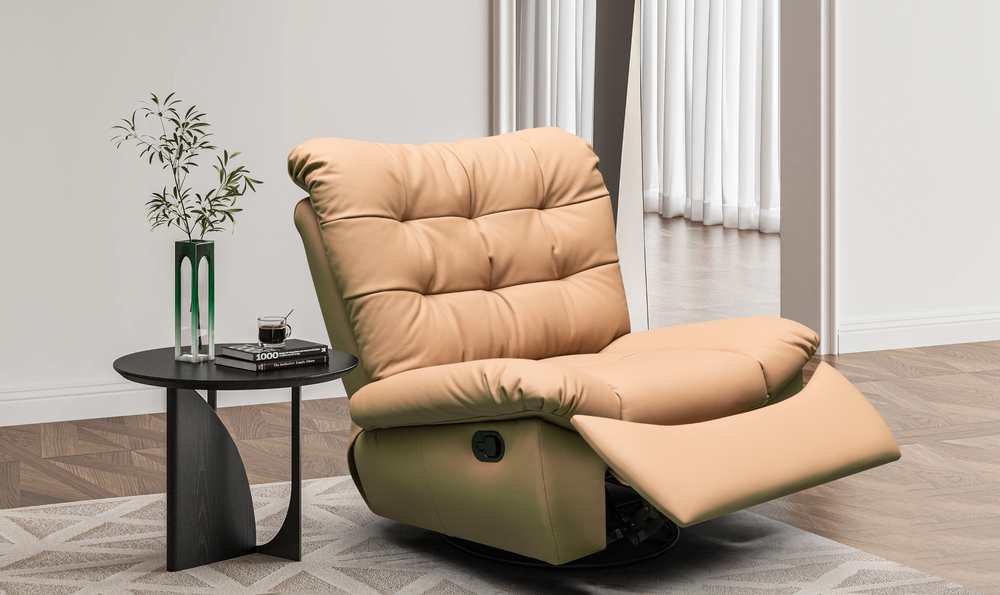
Some accent chairs go beyond basic seating. Swivel bases, reclining features, or gliding motion can make a chair far more versatile and enjoyable. These features are useful in living rooms where seating needs to adapt.
Everyday Use Vs Occasional Seating
Finally, think about how often the chair will be used. If it's meant for daily lounging, comfort should lead the decision. If it's more of an occasional seat or a visual accent, you can afford to prioritize design a bit more. The best accent chairs look good while still earning their place in the room.
Match Your Accent Chair With Existing Furniture
An accent chair should feel like it belongs in the room, even if it stands out a bit. The goal is to complement what you already have, not compete with it.
Coordinate With Your Sofa
Start with the sofa since it's usually the largest piece in the room. Though your accent chair doesn't need to match it exactly, at least it should relate in some way. It can be through the color, fabric texture, shape, or style.
If the sofa is bulky, a lighter chair can balance it out. If the sofa is sleek, a chair with similar clean lines will feel like a natural fit.
Balance Colors And Textures
Mixing textures adds depth, but too much contrast can feel chaotic sometimes, and make the living room feel clumsy. So, it's important to stay with a consistent color palette.
Pay Attention To Scale And Proportion
Scale is where many people slip up. A chair that's too large can overpower other furniture, while one that's too small can look like an afterthought. This is why you should check the seat height and visual weight of the chair to feel proportional to nearby pieces.
Best Places To Position An Accent Chair In Your Living Room

1. Next to the sofa - To create a balanced seating arrangement
2. By a window - Perfect spot for natural light, reading or quiet moments
3. Across from the sofa - Encourages face-to-face interaction
4. In an empty corner - Turns unused space into a functional, stylish feature
5. Angled near a coffee table - Softens the room layout and avoids rigid arrangements
Common Mistakes To Avoid When Buying An Accent Chair
1. Prioritizing Style Over Comfort
It's easy to fall for a chair that looks stunning but feels stiff once you sit down. An accent chair isn't just decor, but it's seating. If it's comfortable, your investment goes in vain. So, make sure you check cushioning, seat depth, and back support before committing.
2. Choosing The Wrong Size For Your Space
Scale matters more than most people think. A bulky chair can overwhelm a room, while a tiny one can look lost. This becomes even more critical when shopping for accent chairs for small spaces, where smart proportions keep the room feeling open instead of cramped.
3. Matching The Sofa Too Closely
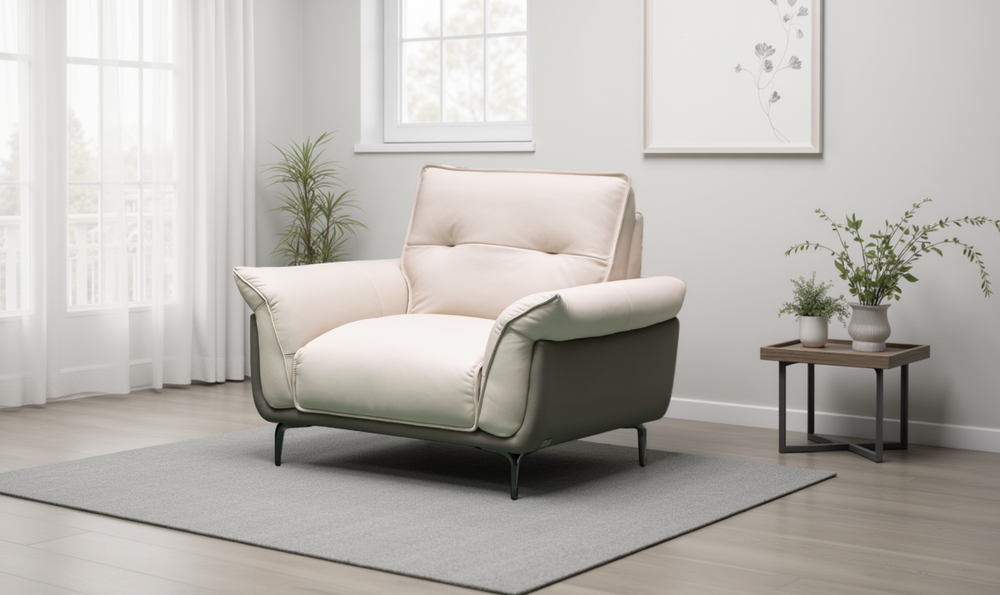
Accent chairs don't need to be twins with your sofa. Because exact matches can make the room feel flat. A bit of contrast adds more depth. This is where contemporary accent chairs and modern accent chairs earn their keep.
4. Ignoring Placement And Room Flow
Even a great chair can feel out of place if it blocks walkways or interrupts conversation areas. Before buying, think about where it will live and how people move around it.
Conclusion
So, we have given the checklist on what to look for while shopping for an accent chair. But remember that choosing the ideal accent chair for your room isn't about ticking the checklist we have given above. While that's also important, don't just go by the rules. Remember this rule that the right chair has a way of quietly pulling everything together and makes the space feel lived-in rather than styled.
Trust your instincts as much as the measurements, or if you are doubtful, measure it properly. If a chair feels right in scale and suits your lifestyle, you are already most of the way there. Hope this guide helped you pick the accent chair of your choice.